
Publicité Insights / Strategy & Growth

From Brief to Launch: Planning a Campaign Across Channels

A clear brief, a shared creative idea and a thoughtful handover make an integrated campaign easier to manage.

Publicité Privée   /   3 minute read

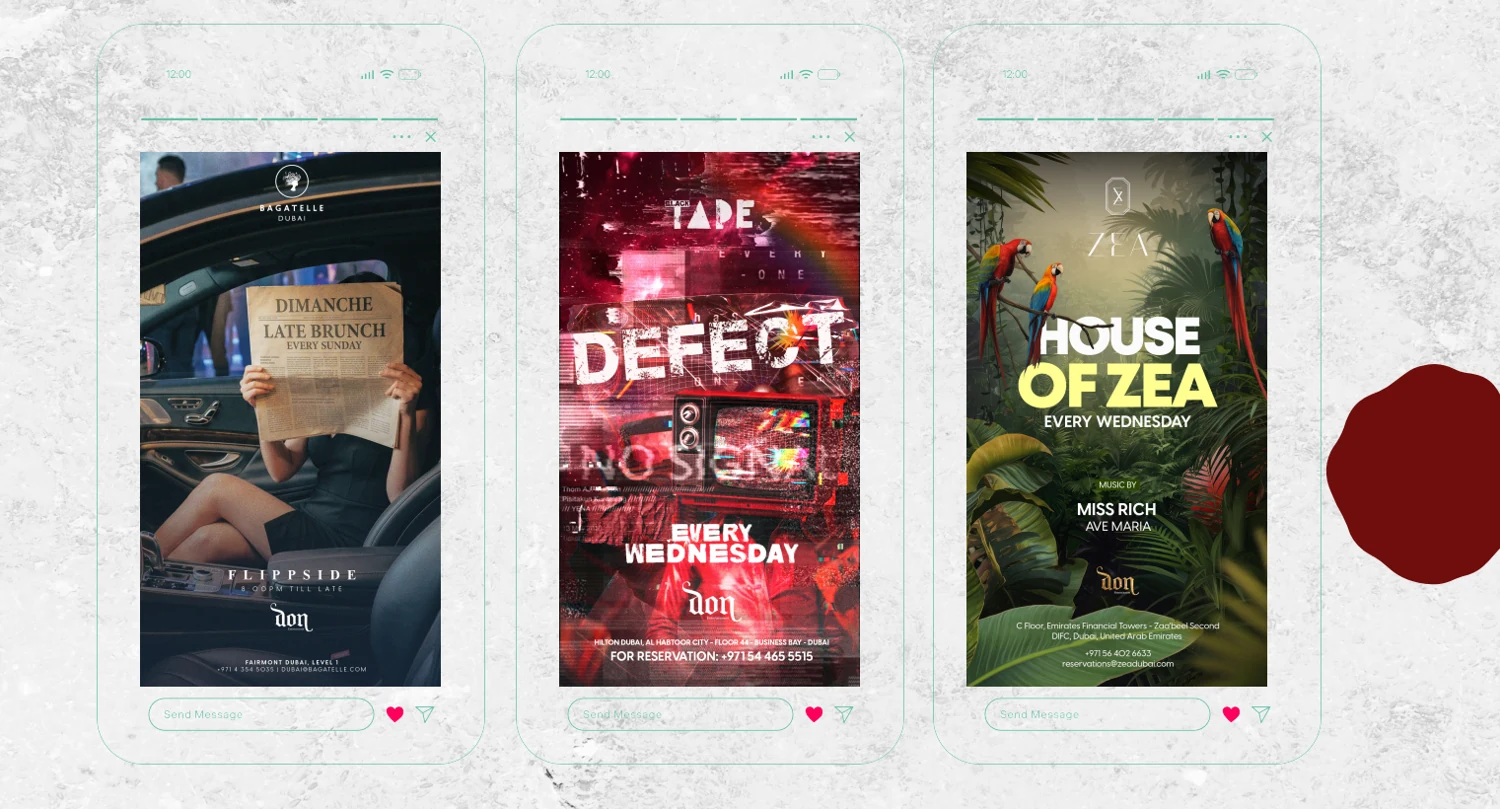
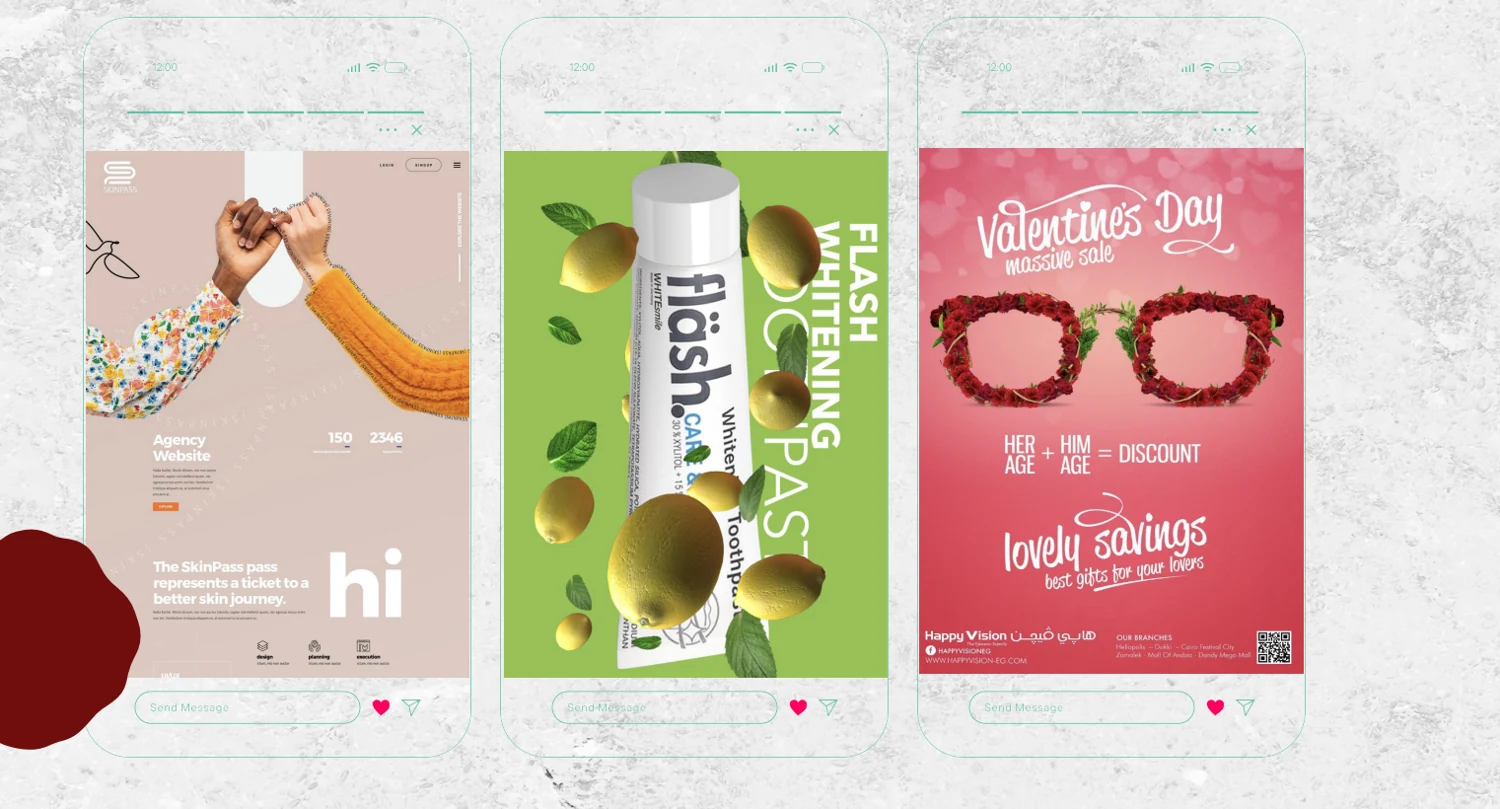
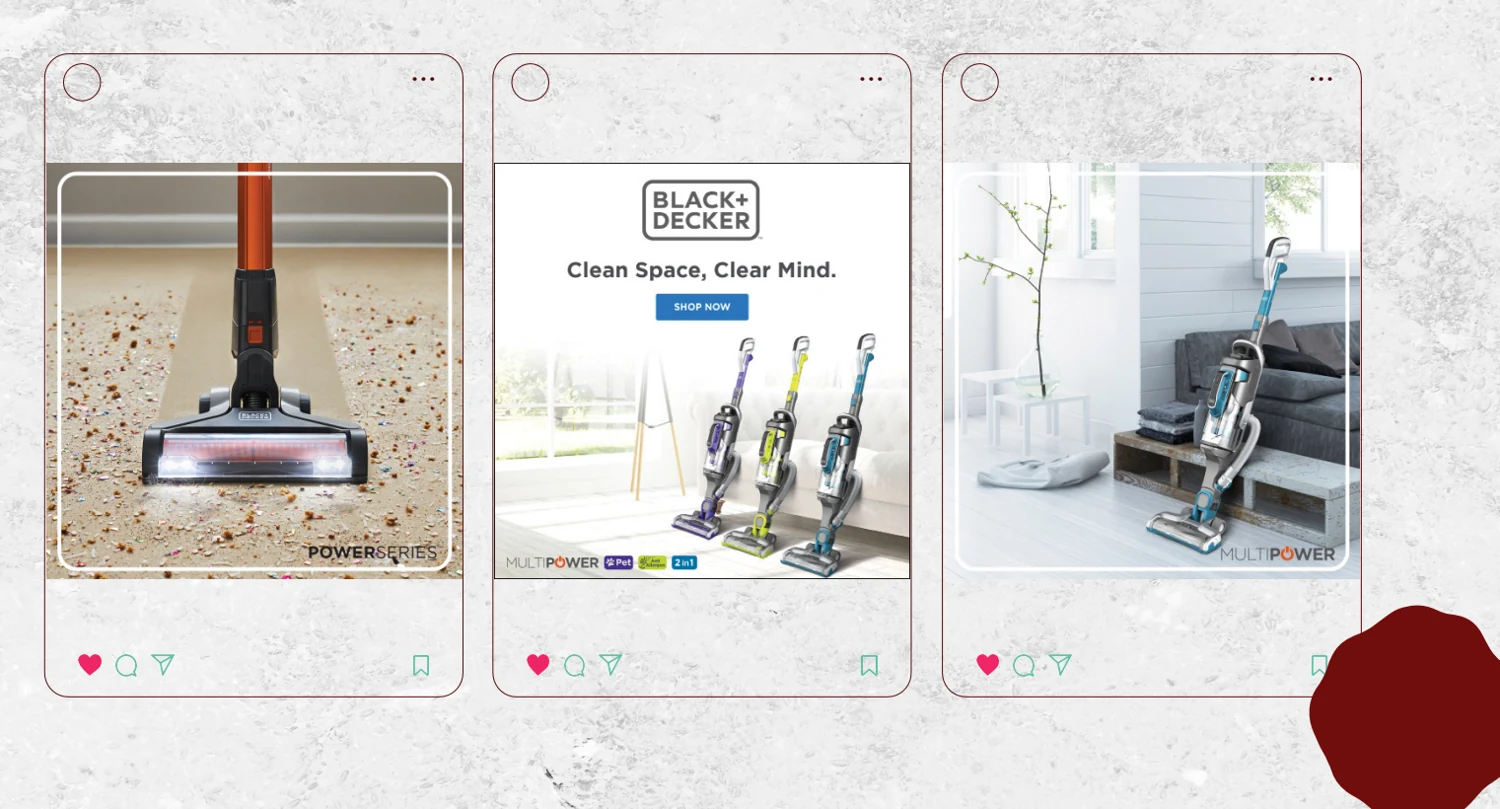
Selected Publicité Privée portfolio artwork.

Begin with a decision-ready brief

A good campaign brief makes the important choices visible. It explains the business context, the audience, the objective, the offer and the action you want people to take. It also records practical boundaries such as the agreed budget, the available assets and the people responsible for approvals.

The brief does not need to be long. It needs to be clear enough that strategy, content, design, production and account teams can work towards the same outcome. Unanswered questions are easier to resolve here than during a rushed final export.
Understand the audience and the moment

Consider not only who you want to reach, but why the message matters now. A launch, a seasonal occasion and an ongoing service introduction create different expectations. Review the audience’s likely questions and the context in which they will encounter the work.

Research should inform the creative direction without becoming a separate exercise that the team never uses. Summarise the useful insights in everyday language. Everyone involved should be able to explain the central audience need and how the proposed idea responds to it.

Choose one organising idea

An integrated campaign needs a shared creative thread. This may be a message, a visual principle or a simple story that can adapt across formats. The idea should be broad enough to travel, but precise enough to guide actual production decisions.

Test it against the brief. Does it make the offer understandable? Does it fit the brand? Can it work as a short social message, a longer explanation and a focused website experience? A strong organising idea gives individual assets a relationship without forcing them to be identical.

Plan the asset family before producing it

Create a practical list of the assets the campaign requires. Include the format, purpose, channel, owner and approval stage for each one. Identify which elements can be adapted from a shared source and which need their own treatment.

This is also the point to consider photography, video, animation, written content and any event-related material. A clear asset plan helps the team organise production and avoid leaving essential supporting work until the main creative is already complete.

Design a connected visitor journey

Think beyond the first impression. Someone might discover a short post, visit a website, read more about a service and then send an enquiry. Each step should carry the same core message while providing the level of detail appropriate to that moment.

Check the practical connections. Links should reach the intended page. Forms should ask clear questions. Mobile layouts should remain readable, and the next action should be easy to find. An engaging campaign is stronger when its destination is equally considered.

Make review and launch responsibilities clear

Agree who checks factual information, brand consistency, visual quality and technical behaviour. Keep a clear distinction between a creative review and final approval. Record the approved version so that the team is not working from several competing files.

Before launch, check copy, links, image quality, accessibility, form behaviour and the final formats. Where several channels are involved, coordinate the timing and responsibilities. The launch should be a managed handover, with a clear understanding of who is monitoring what happens next.

Build the next review into the plan

A campaign does not stop at publication. Decide in advance what the team will review, when it will review it and how the observations will be shared. Combine the agreed measures with useful feedback from enquiries, account teams and the people using the experience.

Some changes may be straightforward, such as clarifying a confusing message. Others may call for more investigation. Keep the process deliberate and proportionate. At Publicité Privée, the connection between research, creative work and practical execution is central to helping a campaign move from an idea into a coherent audience experience.

More from the studio

Publicité Privée portfolio selection: portfolio 20.

Brand & Content

From Brand Story to Social Content: Building a Consistent Voice

A practical way to turn what your brand stands for into content people can recognise across channels.

Publicité Privée portfolio selection: portfolio 22.

Strategy & Growth

SEO and Paid Advertising: Building a Balanced Growth Plan

How search foundations, relevant campaigns and useful landing pages can support one coherent marketing direction.

A good place to start

Let’s turn perspective
into a clear direction.

Tell us about your brand, your audience and the opportunity ahead.